Jazz Cab
An art installation for the Cork Jazz Festival that turned taxi cabs into musical instruments, generating a live 16-hour composition from the movement of cabs across the city.
Tech Stack
Overview
Jazz Cab was an art installation built for the 2018 Cork Jazz Festival. The idea was to treat the city itself as an instrument by generating music from the taxis moving through it.
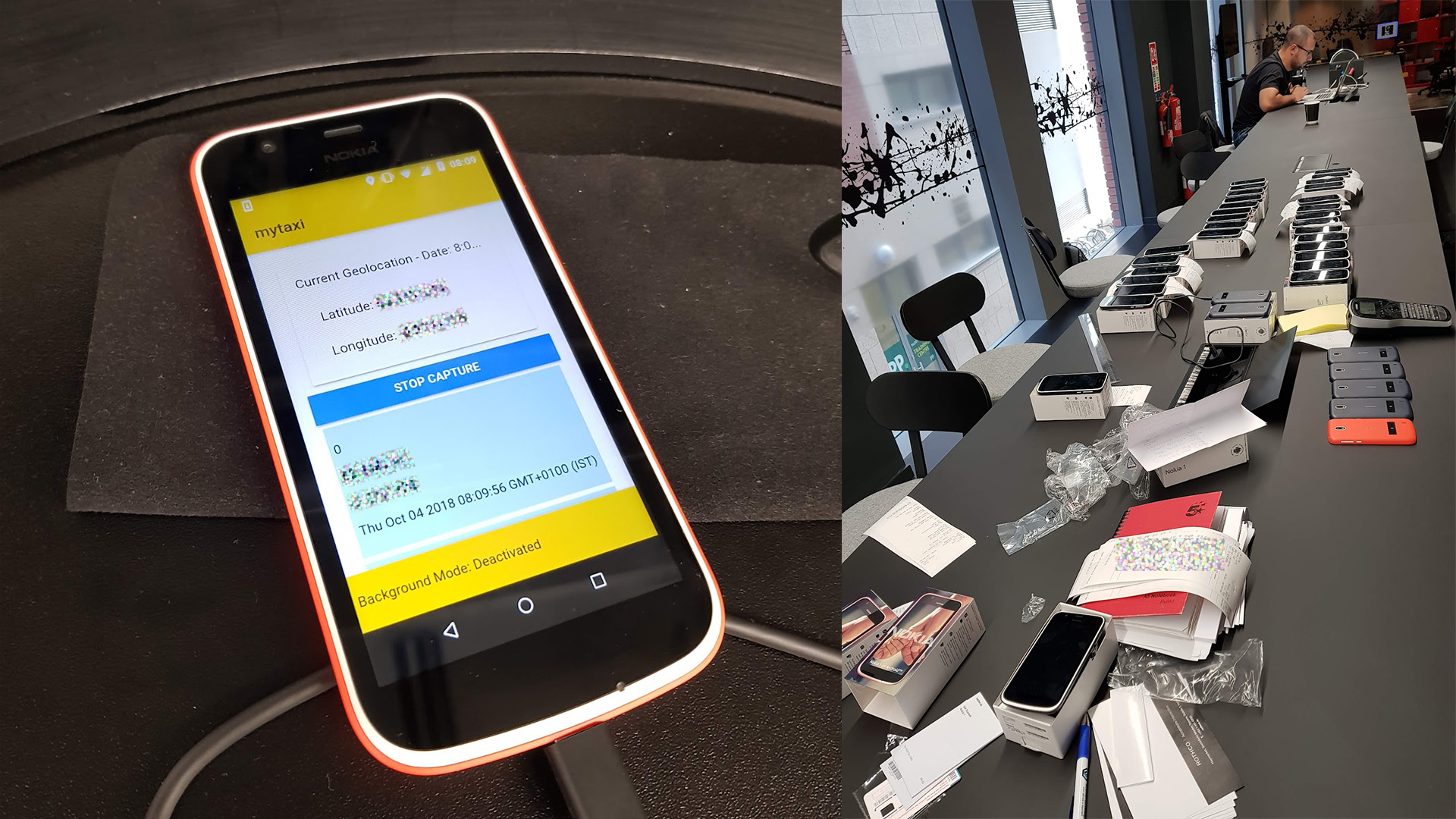
Each cab was fitted with a Nokia 1 Android phone running a custom Ionic app. The app tracked the cab’s GPS location and streamed it back to a Node.js server running on AWS. When two cab routes intersected, the system fired a musical trigger. Those triggers fed into MIDI sequencing software, which used them as inputs to compose music in real time.
Over the course of 16 hours, the movement of hundreds of cabs across Cork generated a continuous, evolving composition with thousands of variations. An AI conductor sat above the sequencer, responsible for keeping the output harmonically coherent and temporally consistent. Without it, the piece would have drifted into noise.
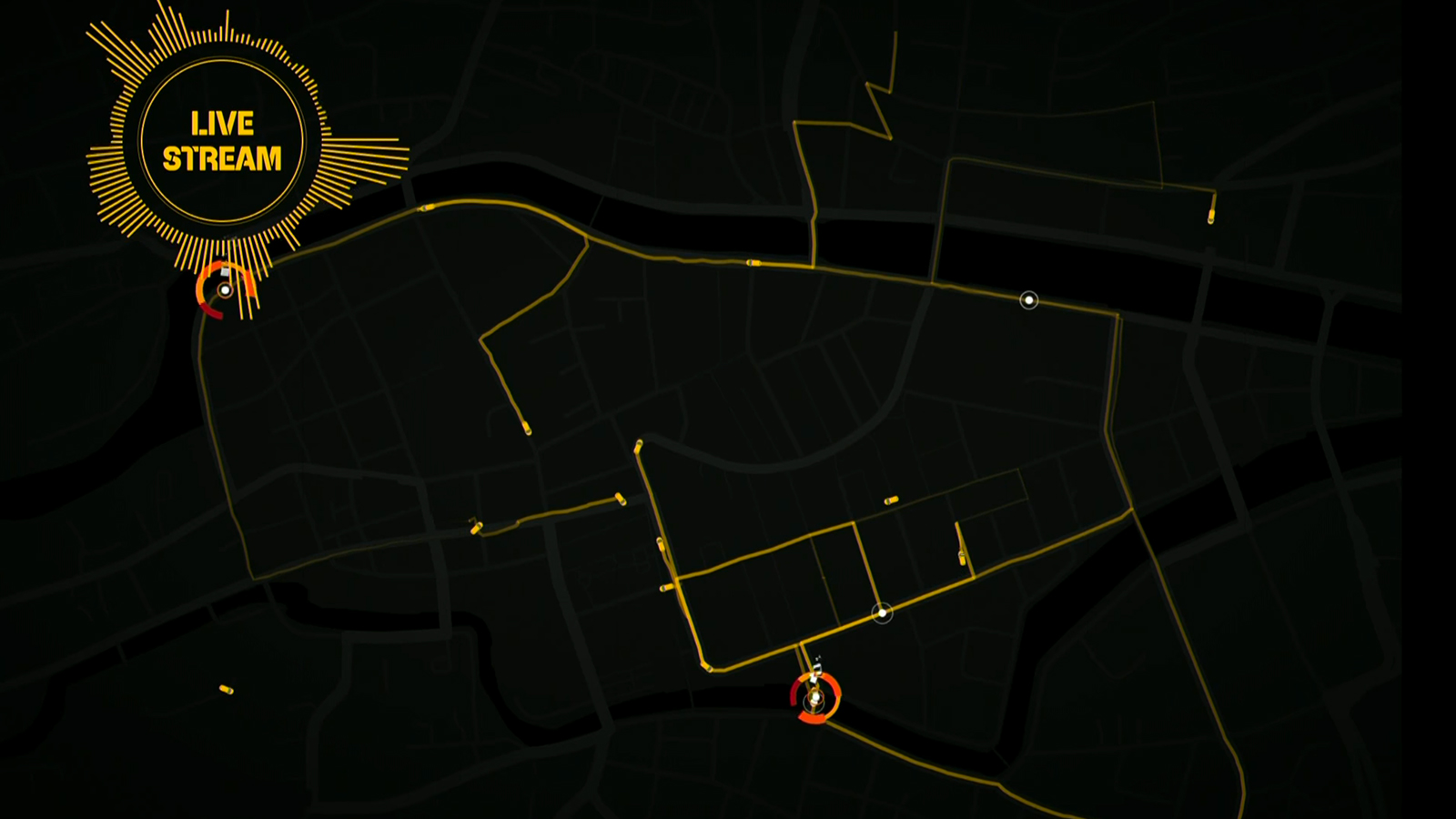
The whole thing was visualised with WebGL, showing cab positions and intersections as they happened, and livestreamed via YouTube and Mixlr so people could follow along remotely.
The project sits at an intersection I find genuinely interesting: infrastructure as creative material. The cabs weren’t doing anything differently. The city wasn’t staged. The composition emerged entirely from ordinary movement, captured and reinterpreted in real time.
Screenshots
Key Features
- 1 Real-time GPS tracking of taxi cabs via a mobile app installed on Nokia 1 Android devices.
- 2 Musical triggers fired when cab paths intersected, feeding into MIDI sequencing software to build an evolving composition.
- 3 An AI conductor managed harmonic and temporal consistency across thousands of variations over a 16-hour performance.
- 4 Live WebGL visualisation of cab movement across Cork city.
- 5 Livestreamed to audiences via YouTube and Mixlr throughout the festival.
Technical Challenges
-
Choosing Android over iOS allowed faster development and lower hardware costs, with Nokia 1 devices providing a cheap, deployable unit for each cab.
-
Frequent location updates from all cabs created server bottlenecks early on. Tuning the update frequency resolved the load issue without meaningful loss of accuracy.